湘南自然薯栽培その3

 
2021/02/02 13:58:34|自然薯
1/16 圃場の土壌分析:Field soil analysis
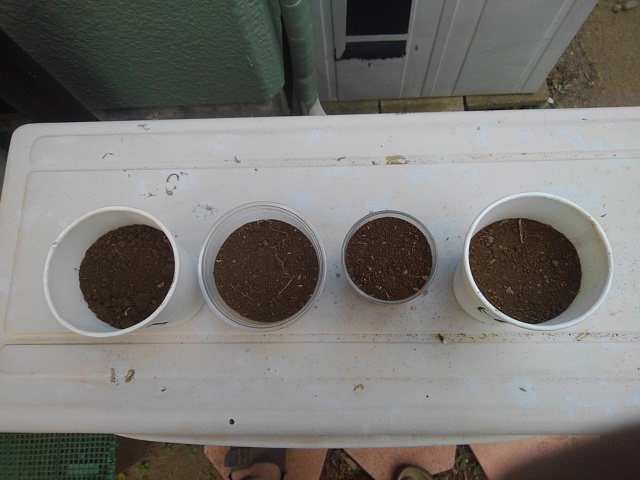
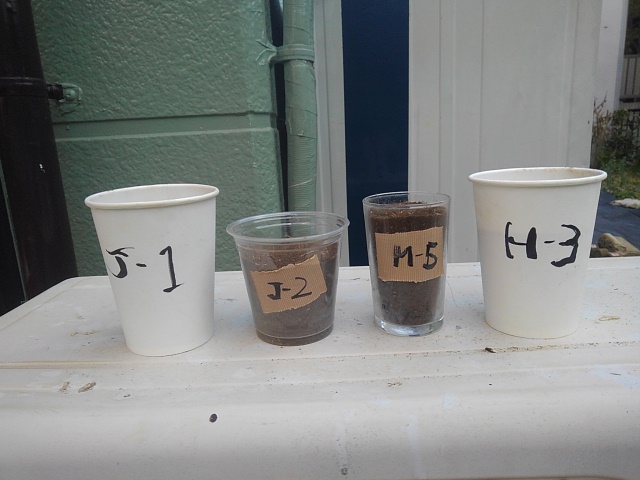
未収穫の第四圃場を除く4か所の圃場の土を採取してJaに土壌分析を依頼しました。
各畑の五か所の深さ20cmの土を採取して陰干しして乾燥させてから、篩にかけて約100gの細かい粒土を作成しました。これをサンプル土壌として畑の土壌分析を行って貰います。
Collected soil from four fields, excluding the unharvested fourth field, and deposited to  JA reserch center to analyze the soil.
After collecting 20 cm deep soil from each field and drying it in the shade, they were sieved into about 100 g of fine grained soil. Use  this as sample soil to analyze the soil in the field.


2021/02/02 13:47:03|自然薯
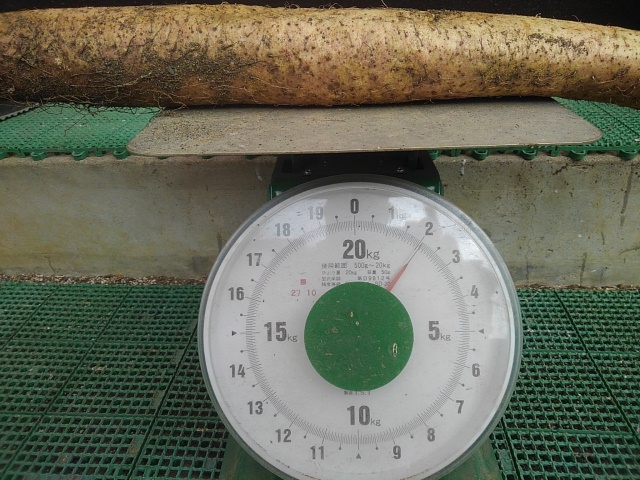
1/17 重さ2Kgの自然薯の収穫:Harvest of Japanese yam weighing 2 kg:
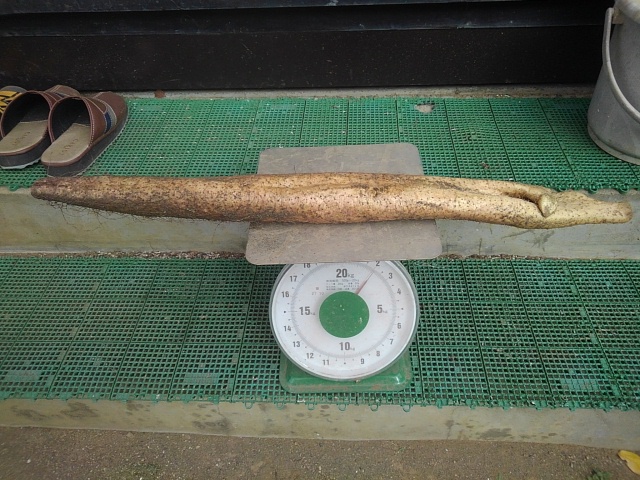
第四圃場で収穫された自然薯のうち記録的な最大の薯が収穫できました。この圃場の薯は他の圃場に比べて大きな薯がたくさん採れます。
The record high Japanese yam is cropped  in the 4th field. The yams in this field   are larger than ones cropped in other fields.


2021/02/02 13:34:46|モロヘイヤ
1/10 モロヘイヤの種取:Moroheiya seeding
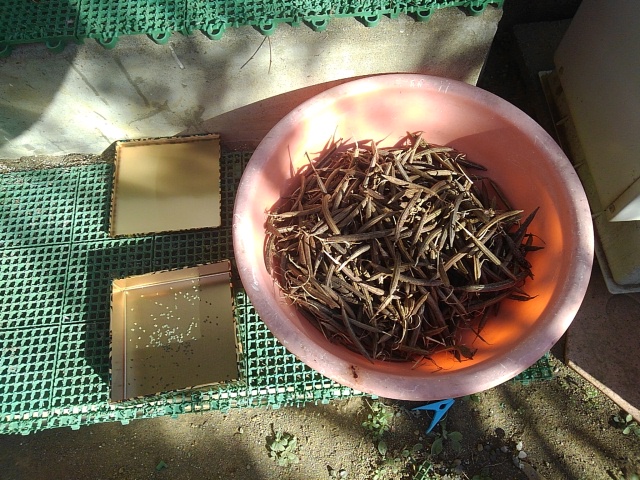
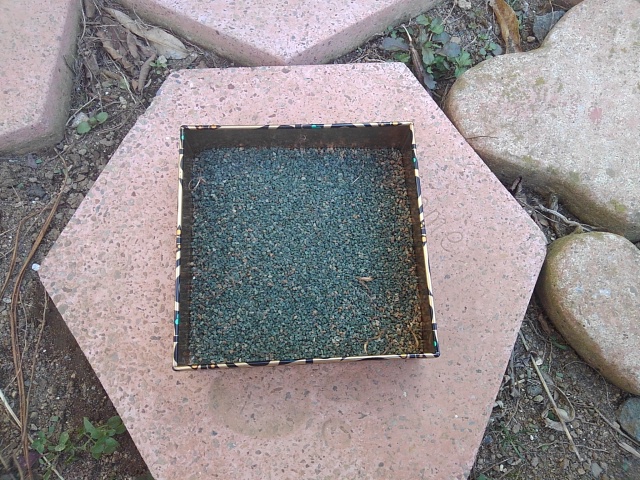
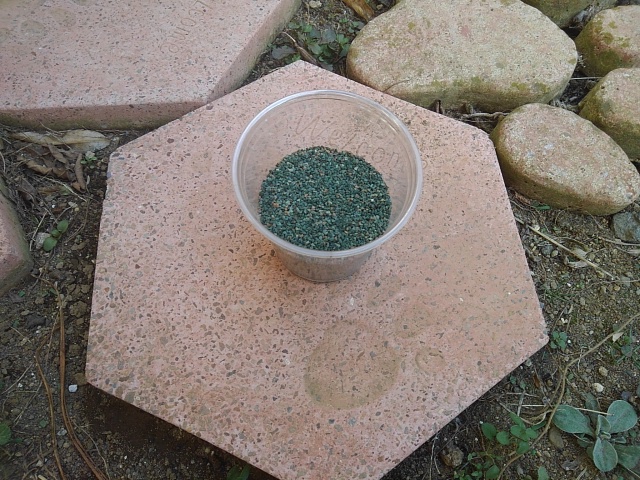
昨年栽培したモロヘイヤの種鞘約500個が乾燥したので鞘を潰して種を採取しました。1個の種は直径1mmφ程度の非常に小さい緑色の粒です。全部で約100gです。今年はこれを使って苗を育ててみる予定です。
About 500 seed pods of Moroheiya cultivated last year were dried, so the pods were crushed and seeds were collected. One seed is a very small green grain with a diameter of about 1 mmφ. It is about 100g in total. I plan to use this to grow seedlings this year.


2021/02/02 13:24:01|自然薯
1/6 第二圃場/第五圃場の耕運:Tillage of the second field / fifth field
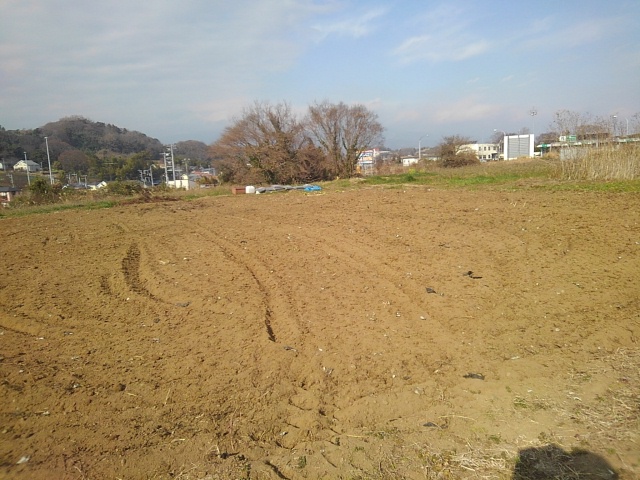
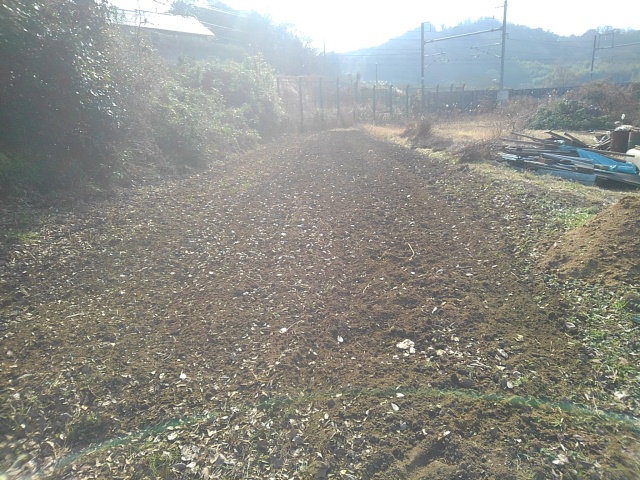
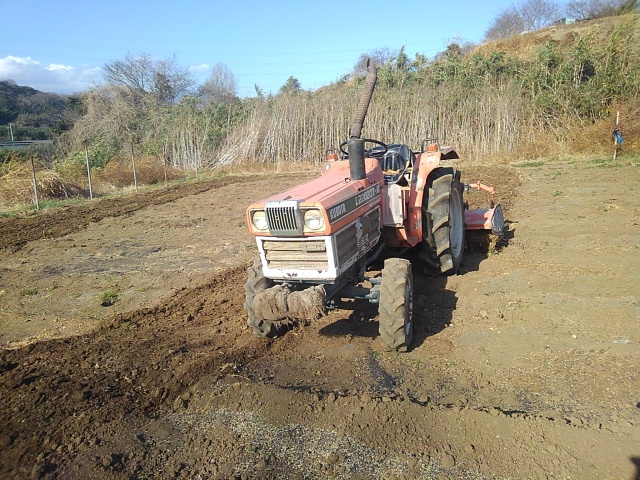
浜田牧場さんの22馬力トラクターを借りて第二圃場/第五圃場の耕運を実施しました。馬糞を漉き込みしました。後日16日には第一圃場も耕運しました。
Cultivate the second and fifth fields using the 22-hp tractor of Hamada dairy farm. Squeezed horse droppings. The first field was also cultivated on the 16th at a later date.


2021/02/02 10:47:08|自然薯
1/4-5 仕事始め/稲殻燻製:The first bussiness day of the year/Rice husk smoking
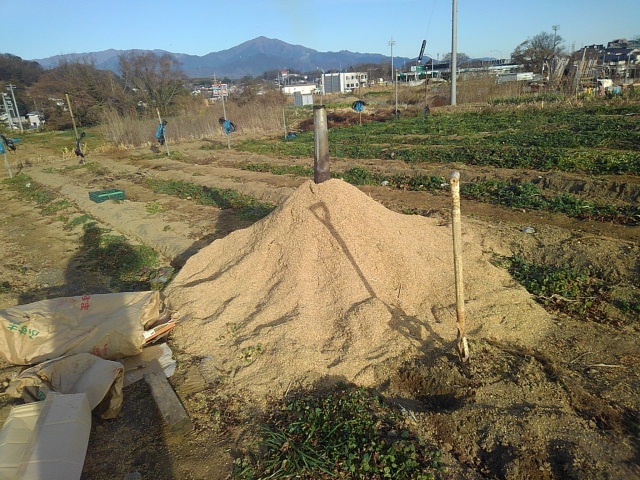
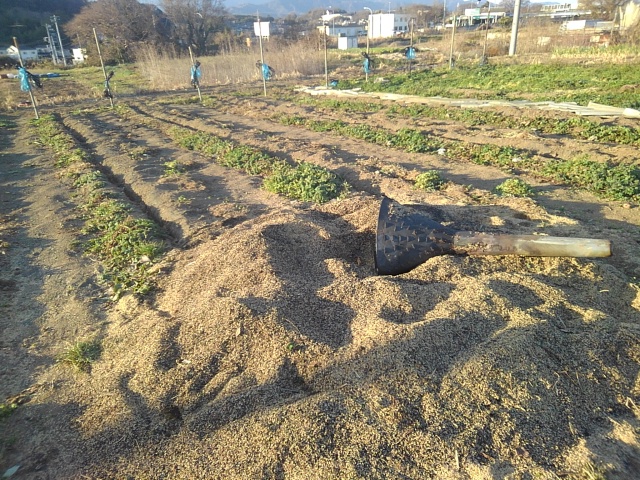
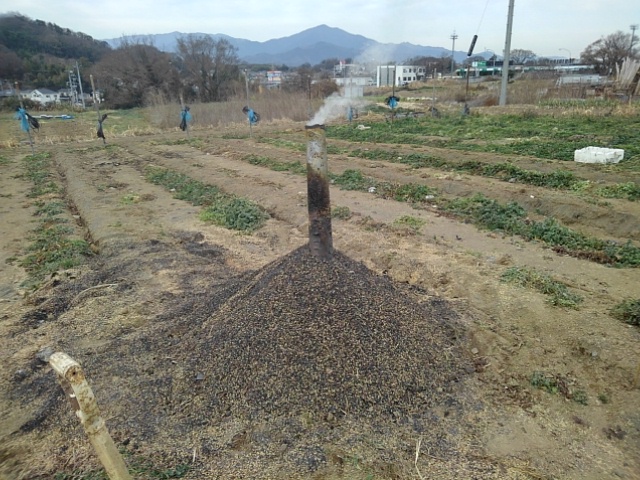
新年の3が日は駅伝のTV観戦三昧でした。4日の仕事始めは第二圃場での稲殻の燻製を実施しました。浜田牧場さんから頂いた稲殻を燻製器を使って燻製にしました。燻炭化した稲殻を畑に均等に散布します。(特に畝の周りに)。これらは病虫害の予防に役立ちます。
The 3rd day of the new year was full of watching TV games on the Ekiden. At the beginning of work on the 4th, smoked rice husks in the second field. The rice husks received from Mr. Hamada deiry farm were smoked using a smoker. Spread smoked  rice husks evenly over the field. (Especially around the ridges). These help prevent pests and diseases.